Building MapChat · Part 1 of 4 · Product case study
Why MapChat exists: designing a social app against loneliness
- The problem. Loneliness is widespread, and people who go out still rarely talk to strangers. Apps tell them where to go, and stop there.
- My role. Founding product manager on a team of four, and the only product-and-engineering owner. I ran the user research, defined the product, and own the architecture and the build, working with AI coding agents under a delivery process I designed.
- What happened. Live on the App Store and Google Play since May 2026. Our flagship activation drew 100 RSVPs and 57 attendees, and product analytics went from nothing to a first read of real usage in a week.
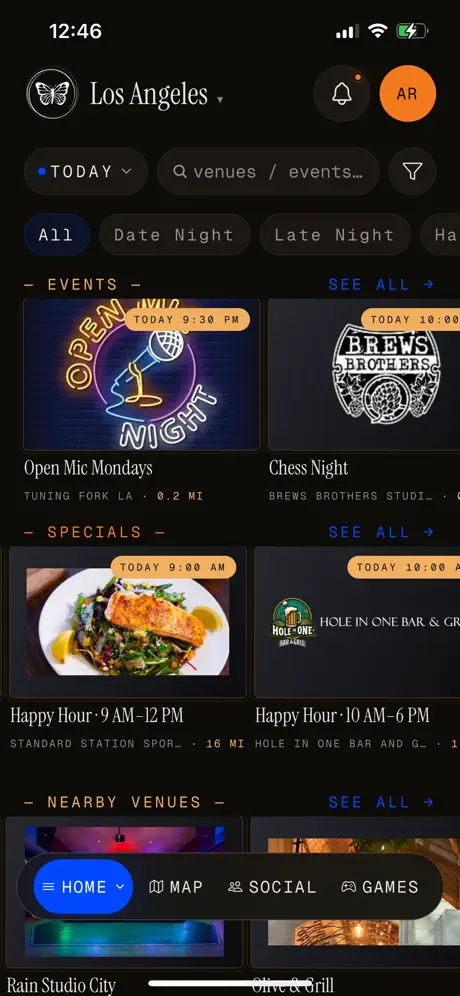
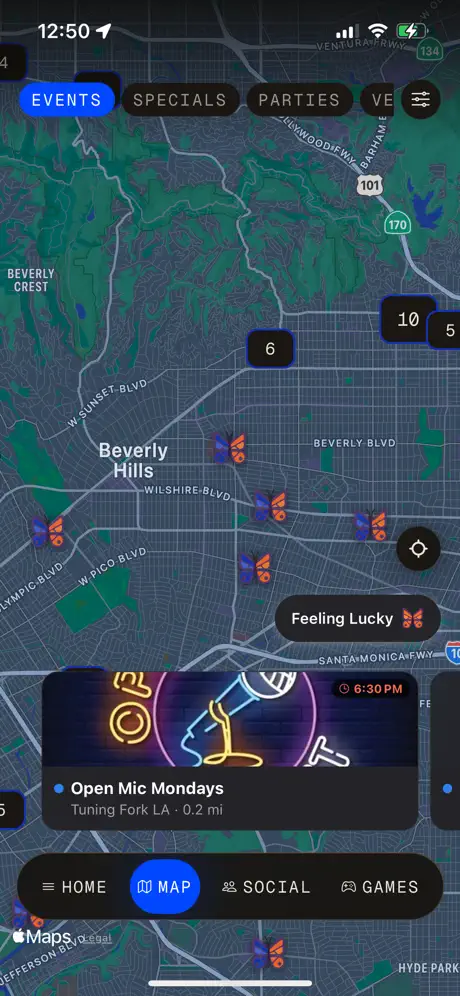
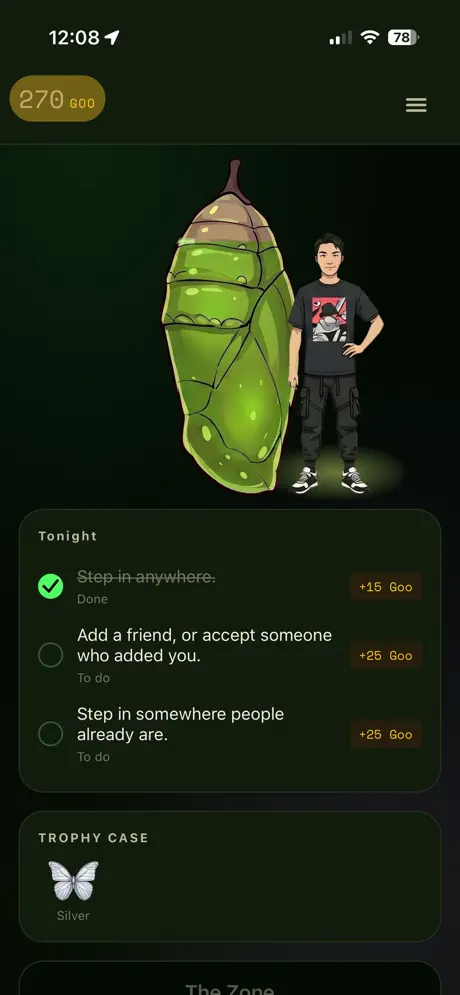
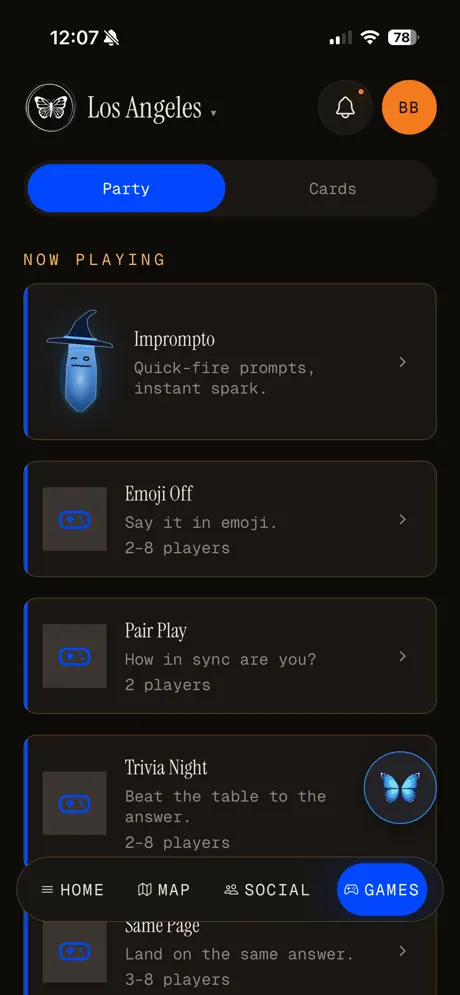
The problem
In 2023 the US Surgeon General called loneliness an epidemic. About one in two American adults report experiencing it, and the advisory puts the mortality risk of social disconnection on par with smoking up to 15 cigarettes a day. Time spent with friends in person fell from about 60 minutes a day in 2003 to 20 minutes in 2020, and by nearly 70% for people aged 15 to 24.
Source: Our Epidemic of Loneliness and Isolation, US Surgeon General's Advisory, 2023
The places where strangers used to meet are part of that story, but not all of it. People still go to bars and events. They stand two feet apart and look at their phones. Our founding team's read was that the problem isn't proximity but the first move. Discovery apps tell you where to go, dating apps tell you who to swipe, and social apps show you what you missed. None of them gives you a reason to talk to the person next to you.
What the research told us
From July 2025 I ran the discovery myself, with 50+ one-to-one user interviews, a few focus groups, and competitive and market research. Over the same months our founder was on the ground in Los Angeles and Washington, DC, interviewing hundreds of bar owners, bartenders and operators.
The research backed the founding team's starting read. People want real-life connection and will show up for it, but only when the first move feels low-pressure. You can see that idea across the product, in the wave, the games, open parties and the chat design.
The bet: play is permission
If the first move is the hard part, the product's job is to make it easy, and games do that. They give strangers a structure and a low-stakes reason to interact. You aren't asking someone to be your friend. You're playing a game with them, and any friendship that follows is a side effect.
So MapChat is built as a loop. You find out what's on tonight, connect with the people going, play once you're there, and leave with something that brings you back.
Measurement from zero
By August 2026 the app was live and I couldn't answer basic questions, like how many people use it each day, week and month, what they use it for, which features matter and where they drop off. I chose Amplitude over PostHog, Mixpanel and Firebase Analytics, and set the rules before a single event was sent.
- The taxonomy came first. Events are named object, then action, in title case, and the names were defined up front, because renaming events later breaks every chart built on them.
- No personal data. The user's database ID is the only identifier. The advertising ID is off, and no event carries free text.
- Our own accounts don't count. Team and test accounts are excluded by a flag in the database, so no list of emails has to live inside the app.
- Testing never pollutes production. QA and production are separate Amplitude projects, and the key a build carries decides which one it reports to.
- Only the first phase needed a store build. The rollout went from headcount to screens, then feature actions, then funnels.
Review caught a search event reporting three times its real volume, and it was collapsed from three events to one before anyone read a chart. The early data also showed that Google Play's pre-launch test crawlers made up about a fifth of Android's active users, so they are now kept out at the SDK. We had a first honest read of usage and drop-off within a week, and the activation funnels merged a week after that.
The games lobby
Our games developer built the multiplayer party games and the server that runs them. My part was the front door. On June 4, 2026 I decided to take the lobby native and keep the games themselves in a web view inside the app. That gave us control of the first thing a player sees, and it let an invite link open the app straight into a waiting room.
It also made the games server's API a contract between two teams, so I defined it as one. The lobby polls the games server rather than listening for realtime updates, because that server, not our database, owns the state of every game. In August we took over the games as well.
The crawl: a live test
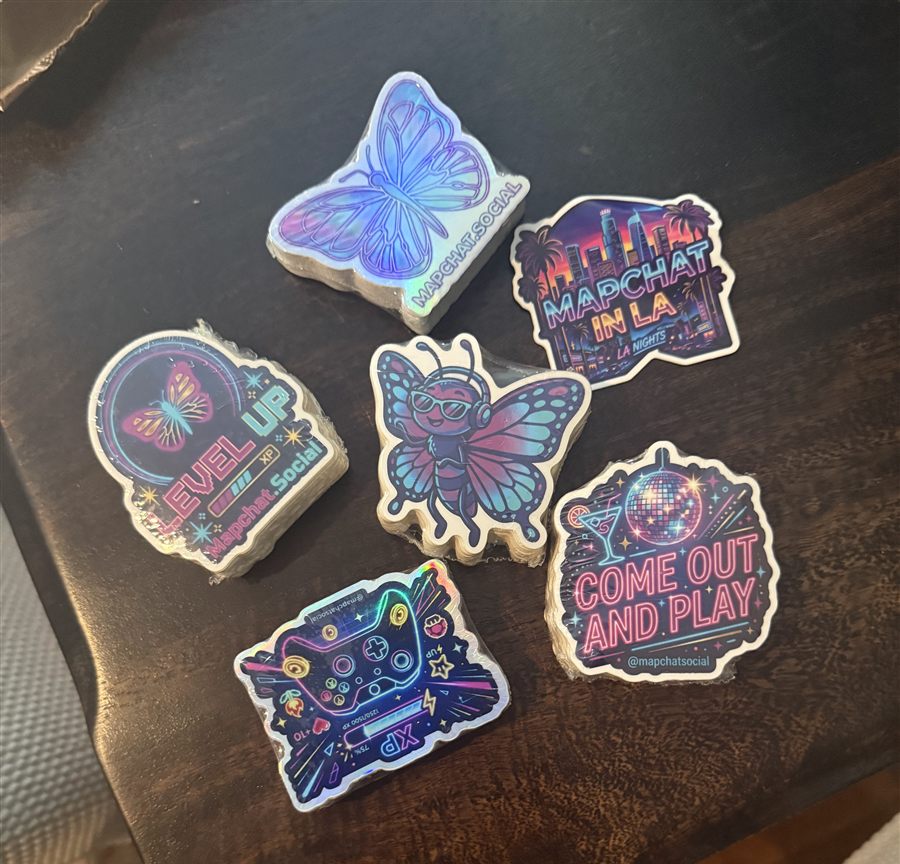
In July we ran our flagship activation, a bar crawl across Los Angeles with 16 stops and no marketing budget. I designed the event and specified the in-app feature that ran it, with a hub, challenges, a live leaderboard, a city-wide chat and a points ledger. Planning started on July 17 and the feature was live, over the air, before the event on July 25. The written cut-line said the event date couldn't move, so scope would.
The night doubled as a study. Social discovery and the games landed hardest, Emoji Off and Pair Play especially. Check-in didn't work. People forgot to open the app at the venue, those who remembered had trouble finding it, and only 20 check-ins came through the app, at 11 venues. The bulletin board sat hidden inside venue pages.
Redesigning check-in from production data
After the crawl I went back to check-in. Before designing anything I read production. There had been 163 check-ins from 32 people, at 37 of 10,727 venues. My summary at the time was that check-in was “a door with no artifact.” It unlocked the venue room and left nothing behind.
I locked 22 rulings on what a check-in should become. These four carry the rest.
- A visit has to mean something. A visit is a check-in at least 60 minutes after the previous one at the same venue, and a regular is someone who has been there on four or more separate days in 90.
- Never ship a claim the data can't back. There is no “lapsed” state and no “regular since” date, because either one can state something false.
- Copy is product. Scarcity lines like “no one has stepped inside here” were rejected, because they read as a verdict on the venue.
- Consent before anyone is named. Nobody appears in someone else's memory without agreeing to it, friend or not.
The consent floor and collections shipped by mid-August 2026. The next iteration is being shaped by usability testing and user research, including privacy-first friend discovery, which is in progress now.